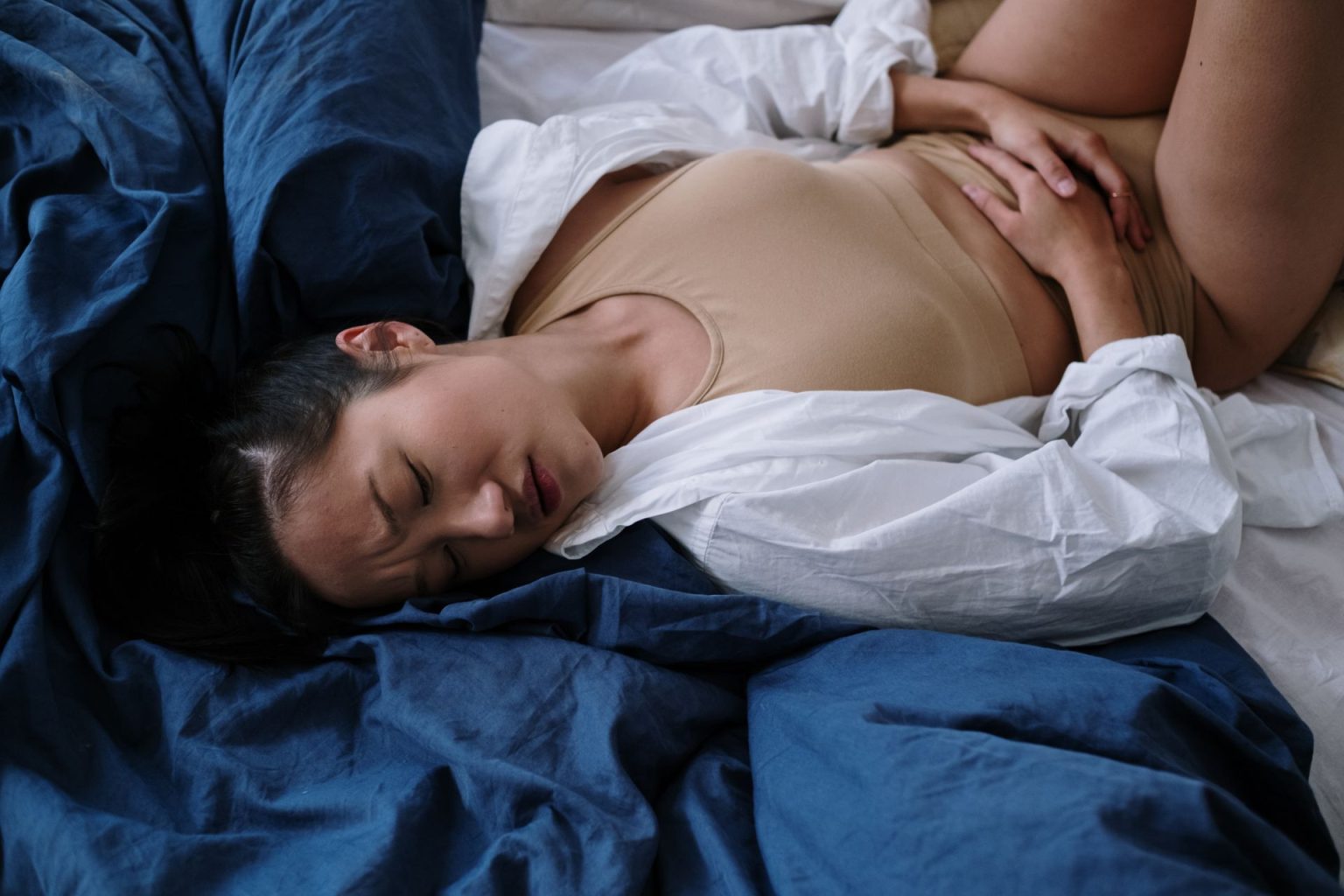
Why choose TCM Acupuncture in London?
Most London patients searching for acupuncture already know they want it. The question is which clinic, which practitioner, and whether the training behind the needle is adequate for what they are actually dealing with.
Liu’s Chinese Medicine Clinic sits at 9 Eccleston Street in Belgravia, a short walk from Victoria Station and Sloane Square. Practitioner Liu holds a medical degree from Capital Medical University in China and a Master’s diploma in traditional Chinese medicine from the UK College of Traditional Chinese Medicine. The clinic specializes in women’s health: fertility, PCOS, menopause, hormonal conditions, chronic pain, and anxiety. New patients receive £20 off their first visit with a gift voucher.
If you have a straightforward musculoskeletal complaint and have already been assessed by a physiotherapist, a short-course Western acupuncture provider may be adequate. If you have chronic, recurring, or multi-symptom presentations, the diagnostic framework the practitioner uses before inserting a needle will determine whether treatment holds or fades.
Who This Clinic Is Best Suited For
This clinic is a strong fit if you are:
- A woman with a hormonal or reproductive health condition: PCOS, irregular cycles, endometriosis, perimenopause, or menopause
- Preparing for IVF or managing a previous implantation failure
- Dealing with chronic pain (back, neck, shoulder, knee) that has not resolved with physiotherapy or medication alone
- Experiencing anxiety, disrupted sleep, or mood instability, particularly where these symptoms arrive together
- Seeking a practitioner trained in both biomedical and TCM frameworks, not one or the other
It may not be the right fit if you have an acute, isolated musculoskeletal injury that a sports physio or NHS pain clinic can address in two to three sessions. That is not a gap this clinic is filling.
Types of Acupuncture in London: What the Difference Actually Means
| TCM Acupuncture | Western Medical Acupuncture | Dry Needling | |
|---|---|---|---|
| Training depth | 3–4 years full-time undergraduate + clinical hours | 80–200 hours postgraduate certificate | Short-course certification |
| Diagnostic framework | Full meridian, pulse, tongue, and pattern assessment | Neurological and musculoskeletal anatomy | Myofascial trigger points only |
| Typical provider | Dedicated TCM clinic | GP, physiotherapist, pain clinic | Physiotherapist, sports therapist |
| Best suited for | Chronic, complex, or multi-symptom conditions | Isolated pain with clear neurological origin | Localised musculoskeletal pain |
| Scope | Whole-body pattern correction | Symptom-level intervention | Trigger-point release |
The distinction is not about one approach being legitimate and another not. It is about matching the diagnostic model to the condition being treated. A practitioner trained in trigger-point anatomy cannot assess Kidney deficiency. A TCM practitioner would not claim to replace orthopedic assessment. Overlap in technique does not mean overlap in scope.
Why Diagnostic Depth Determines Whether Results Last
The pattern seen consistently with patients who arrive after seeing other providers: treatment addressed the symptom but not what was driving it. A patient with recurring lower back pain had received local needling to the lumbar region. Pain reduced temporarily. Without identifying the constitutional pattern (Kidney Yang deficiency, Blood stasis, Liver Qi stagnation), it returned.
A patient with anxiety and disrupted sleep received points associated with calming the nervous system. Short-term relief. The concurrent digestive disruption and cycle irregularity were not assessed, because the appointment was not long enough to take that history. These symptoms, in TCM terms, are often expressions of a single pattern, not separate problems requiring separate referrals.
This is what changes with a full TCM consultation. Not the needle. The diagnosis preceding it.
BAcC-registered practitioners have completed a minimum of three years of full-time accredited TCM training, including at least 400 hours of supervised clinical practice. ATCM members are held to comparable standards. These are the two verifiable benchmarks available to patients assessing practitioner training in the UK.
Practitioner Liu holds a medical degree from Capital Medical University in China and a Master’s diploma from the UK College of Traditional Chinese Medicine. This dual background, biomedical and TCM, means she can work across both systems within a single consultation rather than defaulting to one framework and filtering everything through it.
When Acupuncture May Not Be Appropriate
Acupuncture is not the right first intervention for every condition. It is worth being direct about this.
- Acute trauma, fractures, or injuries requiring imaging and orthopedic assessment should be handled through conventional medicine first.
- Conditions requiring urgent pharmacological or surgical intervention should not be delayed in favor of TCM.
- Patients with certain bleeding disorders or taking blood thinners need to disclose this before needling.
- Acupuncture supports IVF outcomes as a complementary intervention. It does not replace the reproductive medicine protocol itself.
If, during an initial consultation, the presentation indicates a different referral pathway, that will be stated directly rather than a treatment plan built regardless.
What Conditions Bring Most Patients to This Clinic
- Fertility and reproductive health. Patients preparing for IVF, those managing previous implantation failures, or women with PCOS, endometriosis, or cycle irregularity. Treatment focuses on improving uterine blood flow, regulating hormonal patterns, and reducing stress-related interference across a structured protocol. This work runs alongside conventional reproductive medicine, not instead of it. Detail on the clinical approach is on the acupuncture service page.
- Chronic and recurring pain. Back pain, neck and shoulder tension, and knee pain where other therapies have produced limited or temporary results. NICE guidelines recommend acupuncture as an adjunctive treatment for chronic primary pain. The TCM diagnostic layer asks why the pain keeps recurring, not only where it currently presents.
- Anxiety, insomnia, and mood instability. From across central and inner London, patients regularly arrive with anxiety that is accompanied by disrupted sleep, digestive disruption, irregular cycles, and fatigue. Treating the underlying pattern tends to affect all presenting symptoms, not just the chief complaint. For patients who want to understand the combined approach, the herbal medicine page covers how prescriptions work alongside acupuncture where relevant.
- Perimenopause and menopause. Hot flushes, mood instability, joint pain, and disrupted sleep. For patients who cannot use HRT, prefer not to, or want a non-pharmacological option alongside it, acupuncture provides a structured intervention. The evidence base is developing, and the clinic applies it within those limits, not beyond them.
- Skin conditions and digestive health. Acne, eczema, bloating, and constipation are frequently part of a wider hormonal or digestive pattern. Herbal medicine and acupuncture are often combined for these presentations. Cupping therapy is used as an adjunct for certain musculoskeletal and respiratory presentations.
Patients travel from across London for appointments at the Belgravia clinic, including from South London, East London, and the City. The clinic is a 5-minute walk from Victoria Station and accessible from Sloane Square on the District and Circle lines. All sessions are pre-booked. There is no drop-in availability.
What Happens in a Session
The first appointment runs 60 minutes. It begins with a full consultation: medical history, current symptoms, previous diagnoses, treatments tried, lifestyle patterns, sleep quality, and, for women, a detailed reproductive and hormonal history.
The tongue and pulse examination follows. In TCM diagnostic practice, tongue presentation (color, coating, moisture, shape) and pulse quality at three positions on each wrist give the practitioner direct information about the state of the organ systems. This is the step that separates a pattern-specific treatment plan from a generic protocol.
From this, Practitioner Liu builds a treatment plan specific to your pattern. Two patients presenting with the same chief complaint may receive entirely different point prescriptions, because they carry different constitutional patterns. That specificity is not aesthetic. It is the clinical reason one course of treatment resolves the problem and another does not.
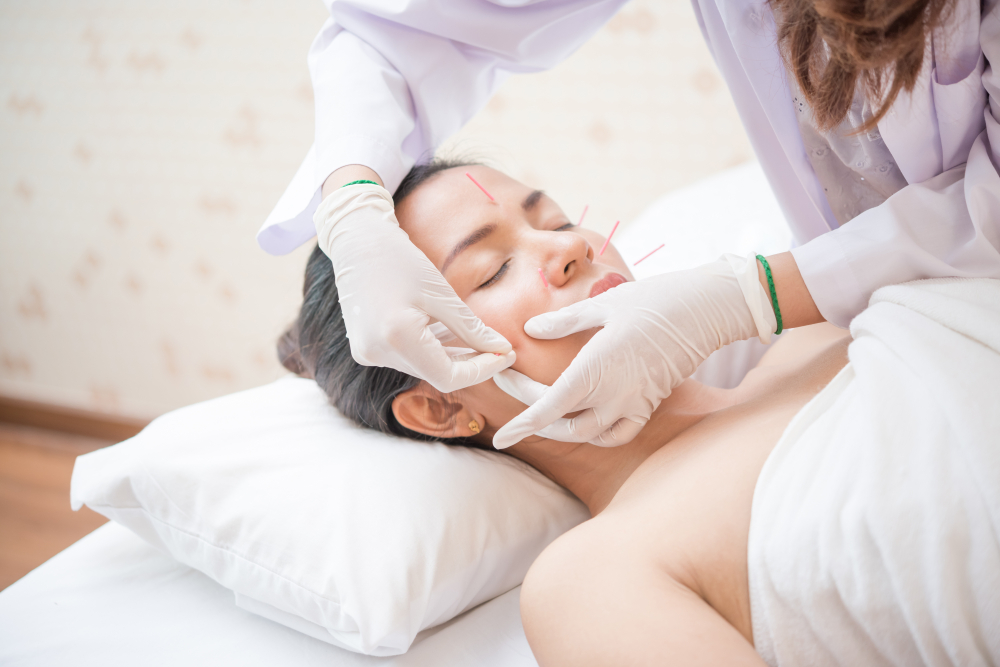
Needles remain in place for 20 to 30 minutes. Insertion is typically painless or produces a brief, mild sensation. Warmth, mild pressure, or slight tingling during treatment indicates point activation. Most patients find the session deeply relaxing.
Sessions cost £100 per 60 minutes. A four-session package is available at £360 (a 10 percent reduction). Package pricing reflects that most conditions require a course of treatment to produce sustained change, not a single session.
Progress is reviewed at every appointment. If the pattern is responding, the protocol continues. If the presentation shifts, the treatment shifts. If nothing has moved after several sessions, the approach is reassessed rather than continued on inertia.
About Liu’s Chinese Medicine Clinic
Liu’s Chinese Medicine Clinic is a specialist traditional Chinese medicine practice at 9 Eccleston Street, Belgravia, London, founded by Practitioner Liu, who holds a medical degree from Capital Medical University in China and a Master’s diploma from the UK College of Traditional Chinese Medicine. It treats acupuncture as a diagnostic-led intervention, not a standardized protocol. Every new patient completes a comprehensive initial consultation covering medical history, symptom patterns, tongue assessment, and pulse diagnosis before any treatment begins. The clinic specializes in women’s health: fertility, PCOS, menopause, chronic pain, and anxiety. New patients can receive £20 off their first visit with a gift voucher
Common Questions
How much does acupuncture cost in London?
Pricing varies between approximately £60 and £150 per session depending on the practitioner’s training, location, and session length. At Liu’s Chinese Medicine Clinic, a 60-minute session costs £100. A four-session package is available at £360. The initial consultation is included within the first session. New patients can apply a £20 gift voucher to their first visit.
How do I choose an acupuncturist in London?
Verify registration with BAcC or ATCM. Both require a minimum of three years of full-time accredited TCM training. Ask what the first appointment includes. A thorough initial consultation with tongue and pulse examination is a baseline for TCM practice. Proximity and price are secondary to training depth and specialization match.
Is acupuncture available on the NHS?
NHS provision is limited. NICE recommends acupuncture as an adjunctive treatment for chronic primary pain, and some NHS pain clinics offer it. Availability across London boroughs is inconsistent and waiting times are lengthy. Most patients access acupuncture through private clinics.
How many sessions will I need?
Acute conditions may shift within two to four sessions. Chronic or complex presentations, including fertility support and hormonal conditions, typically require a structured course of six to twelve sessions over several months. Progress is reviewed at every appointment. If nothing has shifted after several sessions, the approach is reassessed.
What should I expect during a session?
Needle insertion is typically painless or produces a brief, mild sensation at the point of contact. Warmth, mild pressure, or slight tingling during the session indicates point activation. Needles remain in place for 20 to 30 minutes. Most patients find the session relaxing.
Does acupuncture support fertility treatment?
Acupuncture is used alongside IVF and other assisted reproduction pathways as a complementary intervention, not a replacement. Research has examined its potential to support uterine blood flow and reduce treatment-related stress. Practitioner Liu works with fertility patients across preparation, stimulation, and post-transfer stages.
Is TCM acupuncture different from acupuncture at a wellness or beauty clinic?
Yes. Wellness and beauty settings may employ practitioners with short-course qualifications focused on relaxation or cosmetic applications. A TCM clinic provides a full diagnostic framework and treats clinical conditions. Training depth, scope of practice, and clinical reasoning are materially different.
What Patients Have Experienced
Verified patient testimonials to be inserted here from the clinic’s Case Sharing page. For current patient experiences, visit the Case Sharing page.
Book Your Appointment at Liu’s Chinese Medicine Clinic
A condition that has persisted for months rarely resolves without a change in approach. Recurring pain, hormonal disruption, and anxiety driven by an underlying pattern do not self-correct. The patterns that sustain them require accurate diagnosis and a structured protocol.
A first appointment at the Belgravia clinic takes 60 minutes. The outcome is one of three things: confirmation that acupuncture is the right intervention for your pattern, identification of which modalities are appropriate (acupuncture, cupping, herbal medicine, or a combination), or a direct recommendation toward a more appropriate pathway. Any of those outcomes is more useful than continuing to wait.
New patients receive £20 off their first visit with a gift voucher.
Book your initial consultation
Sessions run Monday to Friday, 9:30 AM to 1:30 PM. The clinic is at 9 Eccleston Street, Belgravia, London SW1W 9LX, a 5-minute walk from Victoria Station. You can also reach the clinic via the contact page.