Your First Acupuncture Appointment: What to Expect
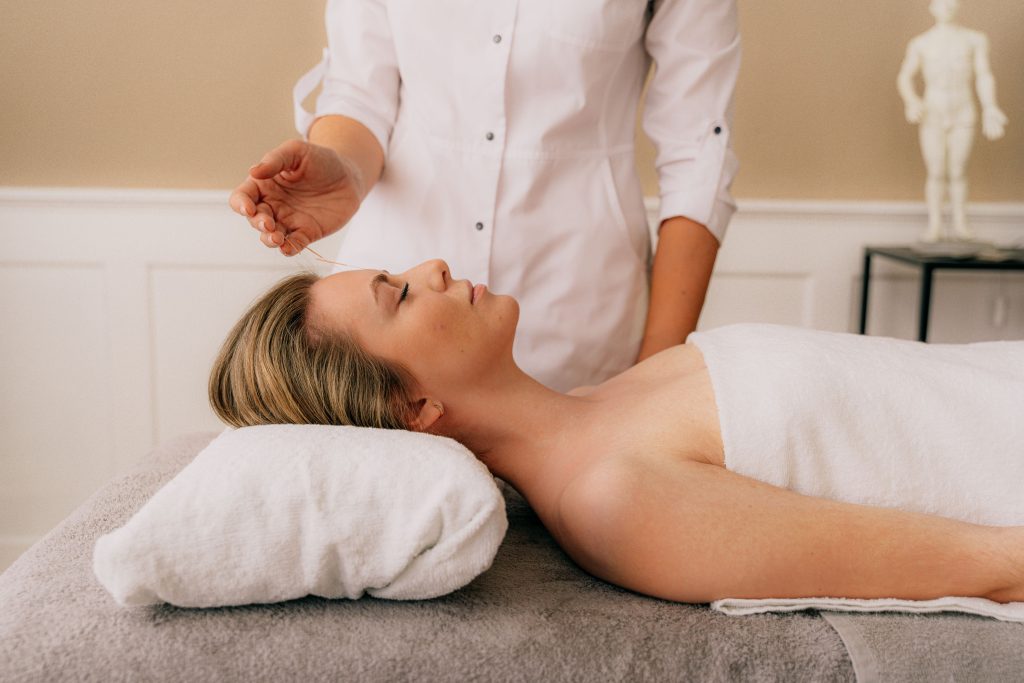
What happens at a first acupuncture appointment? A first session at Liu’s Chinese Medicine Clinic in Belgravia, London runs 60–75 minutes and covers three stages: a detailed case history consultation (20–30 minutes), a TCM physical assessment including tongue examination and pulse diagnosis, and acupuncture needling with sterile single-use needles retained for 20–30 minutes. Most patients describe the sensation as mild heaviness or warmth, not pain.
Most people who book their first acupuncture session share one thing: they are not sure what they have agreed to. They know they want help. The specifics, the questions, the needles, the examination, sit somewhere in a hazy unknown, and that uncertainty is often enough to delay booking by weeks.
London patients, many travelling from Chelsea, Pimlico, Victoria, and Westminster, tend to arrive after trying other routes. A course of physiotherapy that helped but did not hold. Anti-inflammatories that managed symptoms without addressing the source. This article covers exactly what happens, from how to prepare the day before to what your body might do in the 24 hours after treatment.
What Happens at Each Stage: A Summary
| Stage | What Happens | Time |
|---|---|---|
| Case history | Questions about your main complaint, sleep, digestion, energy, and more | 20–30 min |
| TCM assessment | Tongue examination and pulse diagnosis | 5–10 min |
| Needling | Sterile single-use needles retained while you rest | 20–30 min |
| Total first session | Including dressing and post-treatment guidance | 60–75 min |
Is Acupuncture Safe?
Yes, when performed by a qualified practitioner following current safety standards.
Practitioner Liu is a member of the British Acupuncture Council (BAcC), the UK’s leading professional body for acupuncturists. BAcC membership requires practitioners to meet defined training standards, follow a strict code of safe practice, and maintain ongoing professional development. It also means the clinic operates under the BAcC’s codes on infection control and patient safety.
Every needle used at Liu’s Chinese Medicine Clinic is sterile, single-use, and disposed of immediately after your session in approved clinical waste containers. Needles are never reused. This is standard BAcC practice and eliminates cross-contamination risk entirely.
What if you feel faint? It happens occasionally, particularly at a first appointment when the body is responding to needling for the first time. Practitioner Liu is trained to manage this. You will be asked to remain lying down after the needles are removed and to sit up slowly. If you feel unwell at any point during or after the session, tell the practitioner immediately.
Acupuncture is not suitable for everyone in every situation. Tell Practitioner Liu at the start of your appointment if any of the following apply:
- You are pregnant or trying to conceive (certain acupuncture points are contraindicated in pregnancy; the approach is adjusted accordingly)
- You have a bleeding disorder or take anticoagulant medication (warfarin, heparin, or similar)
- You have a pacemaker (relevant if electrical stimulation of needles is under consideration)
- You have an active skin infection, open wound, or active inflammation at a potential needle site
- You have a known needle phobia
None of these are automatic reasons to refuse treatment. They are information Practitioner Liu needs to adjust the approach safely.
How to Prepare Before You Arrive
Preparing properly makes the session more productive and reduces the chance of feeling unwell afterward.
Before you arrive:
- Eat a light meal 1–2 hours before your appointment. Do not come fasted. Low blood sugar increases the chance of lightheadedness during or after needling.
- Avoid alcohol for at least 12 hours beforehand. TCM pulse diagnosis is sensitive to vascular state, and alcohol alters it.
- Wear loose, comfortable clothing. Acupuncture points are located across the body, including the arms, legs, abdomen, and back, not just where your main symptom is. Loose layers allow access without requiring you to undress fully.
- Remove nail polish if possible. Nail colour can affect the accuracy of tongue and pulse assessment.
- Bring a list of any medications and supplements you are taking. Practitioner Liu will ask, and having it written down saves time.
- Bring any relevant test results, scan reports, or letters from your GP or specialist. These are not required but can be useful context.
- Avoid intense exercise immediately before your session. Your body should be settled, not in a heightened physiological state.
- Write down your main concern and any secondary symptoms before you arrive. Once you are in the consultation room, questions come quickly and it is easy to forget details you would otherwise mention. A brief note on your phone is enough.
What Happens After Your Session
The most common post-treatment response is tiredness. Not unpleasant tiredness. More the feeling of having rested deeply for an hour. This passes within a few hours. Drinking water and resting for the remainder of the day after a first session is sensible.
Some patients notice their main symptom feels temporarily more intense in the 24 hours after a first treatment before improving. This is a recognised pattern and is not a sign that acupuncture has made things worse. It tends not to recur in the same way after the second or third session.
Less commonly, patients notice:
- Mild bruising at a needle site, particularly over thinner skin areas
- Lightheadedness if they stand quickly after treatment (sit up slowly, take your time)
- Heightened emotional sensitivity on the day of treatment, which resolves by the next morning
- Improved sleep the night following the session
Avoid alcohol, intense exercise, and very hot baths or showers on the day of treatment. Your system has been stimulated. Give it space to integrate. If anything feels genuinely wrong, not just unusual, contact the clinic.
How Many Sessions Will You Need?
Improvement from acupuncture is often gradual rather than immediate. A single session can produce noticeable results, but conditions that respond best are rarely resolved in one visit.
Acute conditions often respond within 3–6 sessions. Chronic or long-standing issues typically require a longer course, often 8–12 sessions before consolidation. At the end of your first appointment, Practitioner Liu will give you a realistic indication based on your specific presentation, not a generic estimate.
Patients who engage with a planned course, typically weekly sessions for the first 4–6 weeks then fortnightly as improvement consolidates, tend to achieve more durable results than those who attend once, feel better, stop, and return months later when the original problem has re-established itself.
Where acupuncture alone may not be sufficient, herbal medicine and cupping therapy are available at the clinic and are sometimes used alongside needling depending on your presentation. The decision to combine modalities is made after the initial assessment, not assumed in advance.
Who This May Not Be Suitable For
Acupuncture is not a universal fit. It is less likely to be the right first-line approach if:
- You are in the acute phase of a serious medical emergency requiring immediate conventional care
- Your condition requires investigation or diagnosis that has not yet happened (acupuncture does not replace diagnostic testing)
- You have a history of severe needle phobia that has not previously been manageable in a clinical setting
- You are on anticoagulant medication and have not discussed acupuncture with your prescribing doctor
If you are uncertain whether your situation is appropriate, contact the clinic directly. Practitioner Liu will give you an honest assessment.
About Practitioner Liu
Practitioner Liu holds a medical degree from Capital Medical University in China and a postgraduate Master’s diploma from the UK College of Traditional Chinese Medicine. She is a member of the British Acupuncture Council, which requires adherence to defined training standards, safe practice codes, and ongoing professional development. The clinic operates from the Light Centre at 9 Eccleston Street, Belgravia, London SW1W 9LX, a short distance from Victoria Station in central London.
The clinic’s primary focus is women’s health, including PCOS, fertility support, menstrual irregularities, and perimenopause, with additional scope across musculoskeletal pain, digestive complaints, skin conditions, and emotional wellbeing. A full overview of the clinic and Practitioner Liu’s background is on the About Us page.
Frequently Asked Questions
Can I drive home after acupuncture?
Most patients can. Some people feel deeply relaxed or mildly drowsy after treatment, particularly after a first session. If you have not experienced acupuncture before, it is worth arranging an alternative or allowing 20–30 minutes of rest before driving. You will know after your first session whether driving is comfortable for you going forward.
Should I continue my medication?
Yes. Do not stop or adjust any prescribed medication because of an acupuncture appointment. Tell Practitioner Liu what you are taking at the start of your consultation. This information affects point selection and any herbal recommendations that might follow.
What should I wear?
Loose, comfortable clothing that allows access to your arms, legs, and lower abdomen without requiring full undressing. Avoid tight jeans or compression garments. Layers work well.
Is acupuncture safe if I am pregnant or trying to conceive?
Disclose this at the start of your appointment. Certain acupuncture points are contraindicated during pregnancy, and the treatment plan is adjusted accordingly. Acupuncture is used in clinical practice to support women going through fertility treatment and IVF. The women’s health and fertility support approach is discussed on the acupuncture page.
Are the needles sterile?
Yes. Every needle is sterile, single-use, and disposed of in approved clinical waste containers immediately after your session. Needles are never reused. This is a requirement of BAcC membership and standard safe practice.
What if I am scared of needles?
Tell Practitioner Liu before the session begins. The pace can be slowed, the number of needles reduced for the first session, and the approach adjusted to reduce anticipatory anxiety. Needle phobia is common among first-time patients and is not a reason to avoid treatment.
Can I bring scan results or blood test reports?
Yes, and it is worth doing so if you have them. Results from imaging, blood work, or letters from your GP or specialist provide useful diagnostic context, particularly for complex or long-standing conditions.
How long is the first acupuncture appointment?
60–75 minutes. This is longer than follow-up sessions because the initial TCM consultation, covering case history, tongue examination, and pulse diagnosis, takes time to do properly. Subsequent sessions are typically 45–60 minutes once Practitioner Liu has a clear diagnostic picture.
What conditions does Liu's Clinic treat with acupuncture?
Musculoskeletal pain, stress, sleep issues, digestive complaints, skin conditions, and women’s health conditions including PCOS, fertility support, and perimenopause. If you are unsure whether your condition is suitable, contact the clinic directly. Practitioner Liu will give you an honest answer.
Is Acupuncture Safe?
Yes, when performed by a qualified practitioner following current safety standards. Practitioner Liu is a member of the British Acupuncture Council (BAcC), the UK’s leading professional body for acupuncturists. BAcC membership requires practitioners to meet defined training standards, follow a strict code of safe practice, and maintain ongoing professional development. Every needle used at Liu’s Chinese Medicine Clinic is sterile, single-use, and disposed of immediately after your session in approved clinical waste containers.
What if you feel faint?
It happens occasionally, particularly at a first appointment when the body is responding to needling for the first time. Practitioner Liu is trained to manage this. You will be asked to remain lying down after the needles are removed and to sit up slowly. If you feel unwell at any point during or after the session, tell the practitioner immediately.
How much does a typical first acupuncture session cost in London?
A first acupuncture session at Liu’s Chinese Medicine Clinic costs £100 for 60 minutes, the same rate as follow-up sessions, with £20 off for new patients. The 60 to 75 minute appointment includes the case history, assessment, and treatment in one visit.
Book an Acupuncture Assessment in Belgravia
Conditions that have not shifted after other approaches do not tend to resolve without intervention. If physiotherapy, medication, or self-management has produced partial improvement but the underlying problem persists, that pattern is worth assessing properly.
A first appointment at Liu’s Clinic in Belgravia takes 75 minutes. By the end of it, you will have a TCM diagnosis, a clear treatment recommendation, and a realistic picture of what to expect. If acupuncture is not the right fit for your presentation, Practitioner Liu will tell you that. Either outcome gives you something useful.
The clinic is located at 9 Eccleston Street, a short walk from Victoria Station, and serves patients from across central London including Chelsea, Pimlico, and Westminster.
Book an acupuncture assessment at Liu’s Chinese Medicine Clinic